Featured









Reasoning from Scripture
There is no Jesus apart from the Biblical record, and anyone who defines what Jesus is like in a manner contrary to what Scripture teaches, cannot be trusted.
A recent article in a prominent Adventist publication recounts the onset of the Desmond Ford controversy over righteousness by faith half a century ago, and seeks to apply a nuanced approach to the various issues involved. But do the Bible, the writings of the Spirit of Prophecy, or the historical record permit this?
The death this week of James Orsen Bakker (1940-2026) evokes painful but instructive memories as to the folly of certain approaches to ministry and public witness.
We all have the right to our respective political opinions. What we don’t have the right to do is to mingle these opinions with our public ministry, online or otherwise.
This week America endured a drama straight out of an Allen Drury novel—-and a fleeting whiff of an erstwhile lamb’s dragon breath.
A recent article shows how straying beyond the inspired guardrails from different directions can compromise Biblical integrity.
We are now happy to post on our website, the sermons delivered at the recent Romanian camp meeting by Pastor Kevin Paulson (webmaster of this site) and Dr. Dojcin Zivadinovic (professor of religion at Weimar University).
“But I suffer not a woman to teach, nor to usurp authority over the man, but to be in silence. “For Adam was first formed, then Eve” (I Tim. 2:12-13).
“Even now he (Satan) is at work. In accidents and calamities by sea and by land, in great conflagrations, in fierce tornadoes and terrific hailstorms, in tempests, floods, cyclones, tidal waves, and earthquakes, in every place and in a thousand forms, Satan is exercising his power. He sweeps away the ripening harvest, and famine and distress follow. He imparts to the air a deadly taint, and thousands perish by the pestilence. These visitations are to become more and more frequent and disastrous.”
Ellen G. White, The Great Controversy, pp. 589-590.
The current Vice-President of the United States has lately affirmed his belief in communication with the dead.
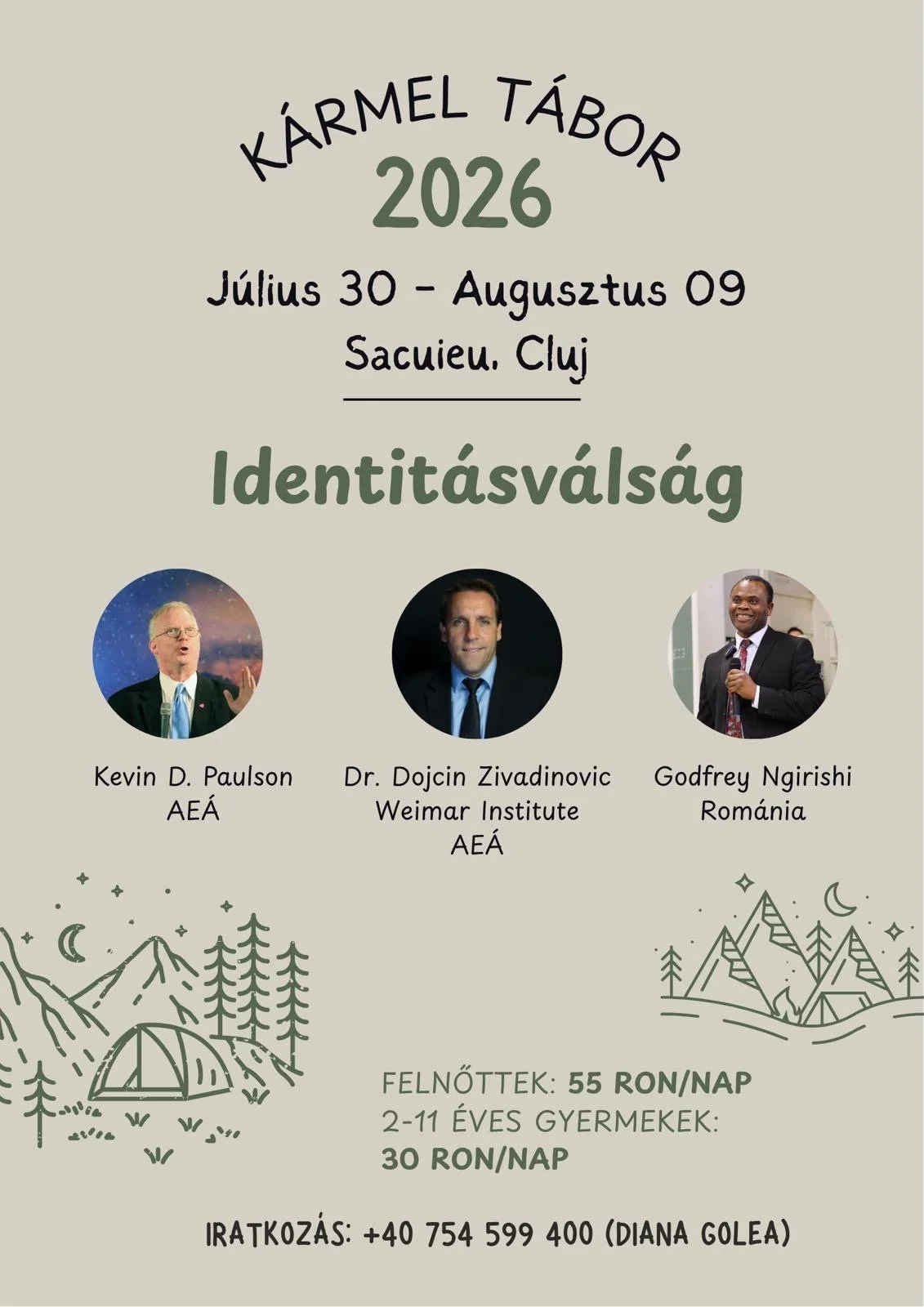
Pastor Kevin Paulson, webmaster of <ADvindicate.com> and Dr. Dojcin Zivadinovic, professor of church history at Weimar University, will travel to Romania this week to speak at a ten-day camp meeting. Please pray for traveling mercies and for the blessing of God on the messages to be delivered. We will keep our website readers updated on live=streaming information.
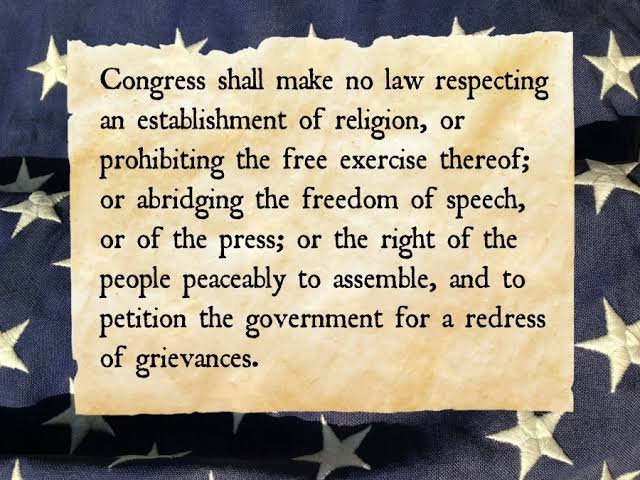
A Christian majority may be tempted to assume that state support of Christianity would be benevolent because Christianity is true or morally beneficial. History counsels caution. Once government acquires power to define and support “Christianity,” government must determine which Christianity qualifies. It must choose among denominations, doctrines, moral teachings, institutions, and religious authorities. What begins as governmental protection of religion can become governmental supervision of religion. The church may believe it has gained a powerful ally, only to discover that the state has become its regulator.